Rubbish collection for Cambridge Heath Road flats Bethnal Green
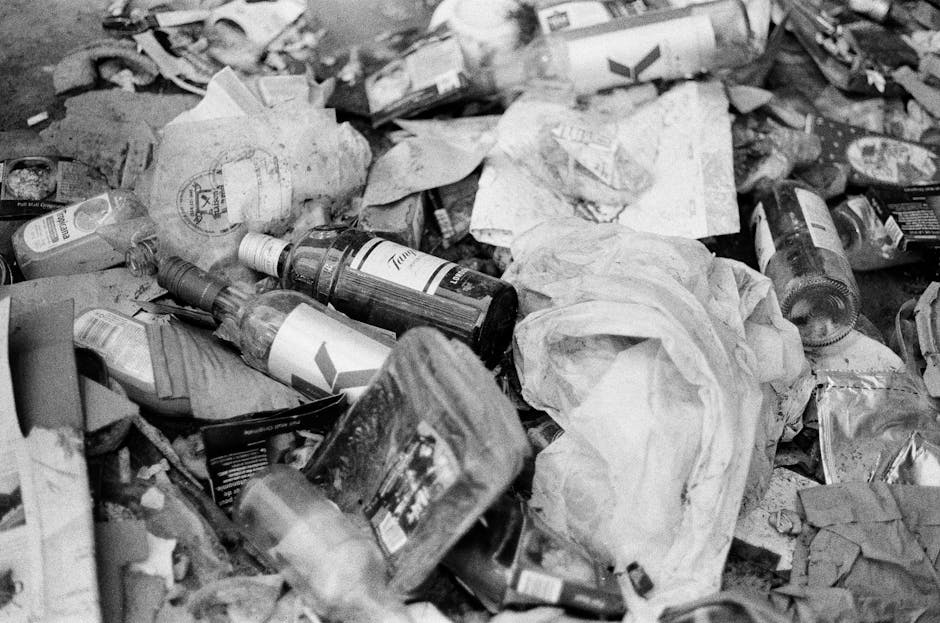
If you live in one of the flats along Cambridge Heath Road, you already know the problem: rubbish builds up faster than you expect, and getting it out of a block can be more awkward than the mess itself. Narrow stairwells, awkward lifts, shared entrances, busy pavement space, and neighbours who quite rightly do not want bags left in the hallway. That is where rubbish collection for Cambridge Heath Road flats Bethnal Green becomes less of a nice-to-have and more of a practical fix.
This guide explains how flat rubbish collection works, what to expect on the day, which waste types are usually accepted, and how to avoid the common mistakes that cause delays or extra hassle. It is written for people who want the job done properly, without the drama. Because let's face it, no one wants to spend a Saturday wrestling an old wardrobe down three flights of stairs.
Why Rubbish collection for Cambridge Heath Road flats Bethnal Green Matters
Flat living in Bethnal Green has its own rhythm. People move in and out, refit kitchens, replace sofas, clear out storage cupboards, and occasionally discover that a "temporary" pile of stuff has quietly become a permanent one. In a flat on Cambridge Heath Road, rubbish is rarely just one bin bag. It is often a mix of household waste, bulky items, packaging, broken furniture, and the odd thing you were definitely going to deal with last month.
Good rubbish collection matters here because flats create practical friction. A single large item can block a landing. A few bags left in a communal area can trigger complaints. And if you try to move everything yourself, the route from front door to pavement may involve tight turns, steps, shared entrances, or a lift that is having a bad day. Not ideal.
There is also the wider consideration of keeping shared buildings tidy and respectful for neighbours. In blocks with multiple households, one person's pile of waste becomes everyone's sightline. That can affect building standards, fire safety awareness, and day-to-day comfort. A proper collection service helps reset things quickly and cleanly.
Expert summary: For flats on Cambridge Heath Road, the best rubbish collection is the one that removes waste in one visit, minimises disruption in the building, and handles bulky or awkward items without leaving residents to do the heavy lifting.
How Rubbish collection for Cambridge Heath Road flats Bethnal Green Works
The process is usually straightforward, though the details matter. In most cases, a collection team arrives at a pre-arranged time, assesses the load, and removes the waste from the flat, hallway, bin store, or agreed pickup point. If access is tight, they plan around it. If the item is heavy, they bring the right manpower. If there are multiple items, they sort them into loadable categories. Simple in theory, yes. In practice, planning is everything.
For flat collections, a few things are typically checked in advance: where the waste is located, whether there is lift access, whether parking or stopping space is available nearby, and whether any items need special handling. That is especially useful on a busy road like Cambridge Heath Road, where access windows can be short and kerb space is at a premium.
If you are arranging a broader clearance rather than just a bag collection, you might also find it helpful to look at flat clearance services and the wider waste removal options. These pages are useful when you are dealing with more than a few loose items and want a better sense of the service fit.
A good provider will also be clear about what can be taken and what cannot. That clarity saves everyone time. It is one of those unglamorous details that makes the whole thing feel smooth instead of messy.
Key Benefits and Practical Advantages
There are several reasons residents choose professional rubbish collection rather than trying to handle everything themselves.
- Less physical strain: Bulky waste, broken drawers, old mattresses, and white goods are awkward in flats. Professional removal avoids back strain and narrow-corridor mishaps.
- Faster clearance: What can take you all day may take a crew a short visit, especially when access is planned properly.
- Cleaner communal areas: Waste is removed in one go instead of being staged in hallways or outside entrances.
- Better neighbour relations: Fewer bags left around means fewer complaints, and that is always worth something.
- More suitable for bulky or mixed loads: One collection can handle different waste types rather than needing multiple trips.
- Reduced chance of improper disposal: You are less likely to make a mistake with what goes where, which matters more than people think.
There is also a slightly underrated benefit: mental relief. A cluttered flat can feel louder somehow. Bags in the corner, a broken chair by the door, cardboard piling up after a move. Once it is gone, the room feels calmer. A bit lighter. You notice the space again.
Who This Is For and When It Makes Sense
This kind of collection suits more people than you might expect. It is not just for big clear-outs. In fact, some of the most common jobs are the smaller, annoying ones that keep getting put off.
- Flat tenants moving out who need a final sweep of unwanted items.
- Landlords and letting agents preparing a unit for re-let after a tenant leaves items behind.
- Homeowners in apartment blocks clearing accumulated rubbish, old furniture, or damaged household items.
- People replacing furniture and needing the old pieces removed at the same time.
- Residents after renovations dealing with packaging, broken materials, and light builders' waste.
- Anyone without a car who cannot reasonably take waste to a disposal point themselves.
It makes sense whenever the waste is too bulky, too much, or too awkward for normal bin collection. It also makes sense when time is tight. Perhaps you are expecting family, or you have a move-out deadline, or the building manager has asked you to clear the corridor. Suddenly it is not "some rubbish"; it is a deadline.
For furniture-heavy jobs, the dedicated pages for furniture clearance and furniture disposal can be helpful. If a mattress or sofa is part of the load, there is also a specific mattress and sofa disposal service worth looking at.
Step-by-Step Guidance
If you want the collection to go smoothly, preparation matters more than people realise. The actual removal might be quick, but the success of the job often depends on the twenty minutes beforehand.
- List the items. Write down what needs removing. Be specific: "2 black sacks, 1 broken chest of drawers, 1 small rug, packaging from delivery" is much better than "stuff".
- Separate anything sensitive or restricted. Keep aside documents, valuables, keys, medicines, and anything you still want to keep. Sounds obvious, but in a rush, obvious things are the first to go missing.
- Check access. Is there a lift? Is the hallway clear? Is there somewhere to stop nearby? If there are access restrictions, mention them early.
- Group the waste sensibly. Put bags together, stack light items safely, and keep heavier objects in a position that is easy to lift without blocking the exit.
- Identify problem items. Fridges, freezers, appliances, or anything potentially hazardous should be flagged in advance. They may need specific handling.
- Confirm the collection window. In blocks on busy roads, timing matters. A short stop can be the difference between a smooth pickup and a frustrating one.
- Be ready at arrival. Having someone there to open the door, confirm the load, and answer access questions saves a lot of back-and-forth.
That is the basic rhythm. Nothing fancy. But, honestly, the smoother the preparation, the less you will notice the collection at all - which is exactly the point.
Expert Tips for Better Results
Here are the practical things that make a real difference, especially in flat blocks where access can be a bit of a puzzle.
- Take a quick photo of the waste before booking. It helps everyone understand the scale and avoids awkward surprises on the day.
- Measure the widest item. If you have a sofa, wardrobe, or appliance, dimensions matter more than you think.
- Clear a route to the door. Even if the load is small, a clear path reduces noise, bumps, and delays.
- Keep mixed waste separated where possible. It is not about being perfect. It just makes handling cleaner and easier.
- Ask about recycling focus. A responsible provider should be able to explain how reusable or recyclable items are handled. The recycling and sustainability approach is worth checking if you care about where the waste ends up.
- Book sooner rather than later. If you already know the flat is due to be cleared, do not leave it until the last day. That is where stress multiplies.
One small tip from experience: if you live above ground floor, turn on the lights in the hallway and stairwell before the team arrives. It seems minor, but it makes movement quicker and safer. Little things. They add up.
Common Mistakes to Avoid
People usually do not get rubbish collection wrong because they are careless. They get it wrong because they underestimate the job. Easy mistake.
- Leaving everything until the last minute. This creates rushed decisions and missed items.
- Not checking what cannot be taken. Hazardous or restricted waste needs specific handling. Ask first.
- Forgetting about access. A load is one thing; getting it out of the building is another.
- Mixing valuable items with rubbish. It happens more often than people admit. A drawer, a charger, a passport photo album - gone in a moment if you do not check carefully.
- Assuming all waste is the same. Furniture, appliances, builders' debris, and general rubbish are not always treated identically.
- Blocking communal areas. In a flat block, this can cause complaints and sometimes immediate inconvenience for neighbours.
A slightly awkward truth: the fewer decisions you leave for collection day, the better the whole experience tends to be. Not glamorous advice, but very true.
Tools, Resources and Recommendations
You do not need specialist equipment for most flat rubbish collections, but a few simple tools can make your life easier.
- Heavy-duty bags or rubble sacks: Better for sharp packaging, torn cardboard, and mixed light waste.
- Labels or tape: Helpful if you want to mark items to keep, donate, or remove.
- Gloves: Useful for sorting and lifting, especially if items have rough edges.
- Phone camera: Good for documenting the waste and sharing a clear overview before booking.
- Measuring tape: Handy for checking whether large items will fit through the route out of the flat.
For more general preparation, the page on what can go in a skip is a useful reference even if you are not hiring a skip. It helps you think clearly about waste categories and what may need separate handling.
If the job involves a mix of household contents and general clear-out material, the broader home clearance and house clearance pages can also help you decide which service scope feels closest to your situation.
Law, Compliance, Standards, or Best Practice
Waste removal in the UK is not something to treat casually. Even for domestic flat rubbish, good practice matters. In simple terms, you should make sure waste goes to a provider that handles it responsibly, keeps clear records where appropriate, and disposes of items through lawful channels. That is not just a box-ticking exercise; it protects you from avoidable problems.
If you are clearing items from a flat you manage or let out, it is sensible to think about duty of care in a practical sense: know what is being removed, avoid leaving waste in communal spaces, and do not put prohibited items into ordinary mixed rubbish. For business-related premises or mixed-use spaces, the page on business waste removal may be relevant because expectations are usually stricter and the documentation side matters more.
Safety is another part of best practice. Heavy lifting, sharps, broken glass, old electricals, and damp materials can all create risks. A reputable team should work with basic safety standards, use sensible handling methods, and avoid causing damage to floors, walls, or shared spaces. You should not need to micromanage that, but it is fair to expect it.
If you want reassurance about operational standards, it is worth reviewing the site's health and safety policy and insurance and safety information. Those pages help set expectations around professional practice, which is especially useful in residential buildings where everyone is a bit more sensitive to disruption. Understandably so.
For special items, use the right route. For example, fridges and larger appliances should be treated differently from standard household rubbish, so the fridge and appliance removal page is a sensible reference. And if any contents are confidential, the confidential shredding page is worth a look before you throw documents into general waste. Better safe than sorry there.
Options, Methods, or Comparison Table
Different flat waste problems call for different solutions. Here is a simple comparison to help you choose the most sensible method.
| Option | Best for | Strengths | Limitations |
|---|---|---|---|
| Self-haul to disposal point | Small amounts of light waste | Can be cheap if you already have transport | Time-consuming, physically awkward, not ideal for bulky items |
| Scheduled bin use | Routine household rubbish | Simple and familiar | Not suitable for bulky, excess, or mixed clear-out waste |
| Skip hire | Project waste, larger ongoing jobs | Useful for repeated loading over time | Requires space and may be awkward for flats without easy access |
| Professional rubbish collection | Bulky, mixed, or urgent flat waste | Fast, convenient, less lifting for residents | Needs clear access and accurate description of the load |
For Cambridge Heath Road flats, professional collection is often the most realistic option because parking, stair access, and shared spaces can make the other methods more cumbersome than they first appear. If the load is mainly old furniture, the dedicated furniture clearance route may be the cleanest fit.
Case Study or Real-World Example
Picture a second-floor flat near Cambridge Heath Road after a tenancy ends. The outgoing resident has left two bin bags, a dismantled shelving unit, an old chair, cardboard from a furniture delivery, and a fridge that no one wants to argue with. The hallway is narrow, the lift is small, and the building has other residents coming and going around breakfast time.
In a situation like this, the sensible approach is to group the rubbish by type, confirm access in advance, and book a collection that can handle both general waste and the appliance. On arrival, the team would remove the bags first, then the larger pieces, and finally the fridge with the right handling. The route out would be kept clear. No dragging, no waiting around, no "we might need to come back later."
The nice part is what happens afterward. The flat feels ready again. The hallway is clear. The letting agent is not chasing the last bag. The cleaner can get started. It is a very ordinary win, but honestly those are the best ones.
That kind of job also shows why a flat-specific approach matters. A generic rubbish solution might work somewhere else. In a Bethnal Green apartment block, the building itself is part of the job.
Practical Checklist
Use this quick checklist before your collection day.
- Make a list of every item to be removed.
- Separate valuables, documents, and keep items.
- Check for bulky, heavy, or awkward objects.
- Flag appliances, fridges, or special waste in advance.
- Clear a route from the waste to the exit.
- Confirm access details, including lifts, stairs, and parking.
- Have someone available to let the team in if needed.
- Group rubbish sensibly so the load is ready to go.
- Review recycling or reuse possibilities where practical.
- Keep communal areas free of bags and loose items.
It does not need to be perfect. Just organised enough to make the day easy. That is usually enough.
If you are ready to clear the clutter and want a straightforward next step, explore the service details on the site and use the booking option when it suits you best. A quick, well-planned collection can take a surprisingly heavy feeling off the flat, and that relief is often worth more than people expect.
Get a free quote today and see how much you can save.
Conclusion
Rubbish collection for Cambridge Heath Road flats Bethnal Green is ultimately about making flat living easier, cleaner, and less stressful. The best jobs are the ones that respect the building, handle the load properly, and leave you with clear space instead of a trail of inconvenience. Whether you are clearing one awkward item or a full flat's worth of waste, the key is good planning and the right service fit.
In a busy part of East London, convenience matters. So does care. Get those two things right and the rest tends to fall into place.
And when the flat finally looks like itself again, that little bit of calm is quite something.
Frequently Asked Questions
What is included in rubbish collection for Cambridge Heath Road flats Bethnal Green?
It usually includes the removal of general household rubbish, bulky items, mixed clear-out waste, and in some cases furniture or appliances, depending on the provider and the type of load.
Can rubbish be collected from inside a flat rather than from the pavement?
Yes, many flat collections are handled from inside the property or from a communal area, provided access is safe and clearly arranged in advance.
What if my flat is on an upper floor with no lift?
That is common in London flats. It just means the team needs accurate access details beforehand so the collection is planned safely and realistically.
Do I need to sort my waste before the collection?
Basic sorting helps a lot. Keep valuables separate, identify special items, and group the load sensibly. It does not need to be showroom tidy, just manageable.
Can old furniture be taken with the rubbish?
Often yes, especially if the provider offers furniture clearance. Large items like sofas, chairs, tables, and wardrobes are common collection items.
What happens to appliances like fridges or washing machines?
These should be flagged separately because appliance removal may need different handling. Do not assume they are treated like standard household waste.
How do I avoid disturbing neighbours during collection?
Clear the route, keep communal spaces free, and book a sensible time. Good planning reduces noise, delay, and frustration for everyone in the building.
Is this suitable for tenancy end clean-ups?
Yes, very much so. It is a common use case when tenants leave behind items or when a flat needs a quick reset before cleaning or re-letting.
Can I mix general rubbish with builders' waste?
Sometimes mixed loads are possible, but builders' debris should be declared clearly. If you have renovation materials, the builders waste clearance option is often the better fit.
How should I prepare if I am short on time?
Focus on the essentials: list the items, remove valuables, clear the access route, and share any awkward details early. A few minutes of prep saves a lot of stress later.
What if I am not sure whether an item is allowed?
Ask before collection day. It is always better to check than to discover halfway through that the item needs separate handling.
Is rubbish collection better than hiring a skip for a flat?
For many flats, yes. Skip hire can work for larger projects, but rubbish collection is often easier in buildings where space, access, and parking are limited.
Where can I learn more about the company before booking?
You can review the about us page for background and the pricing and quotes page for a clearer sense of how enquiries are handled.